Whose Pavement Is It Anyway? A Doorbell Camera Check Before You Point It at the Street
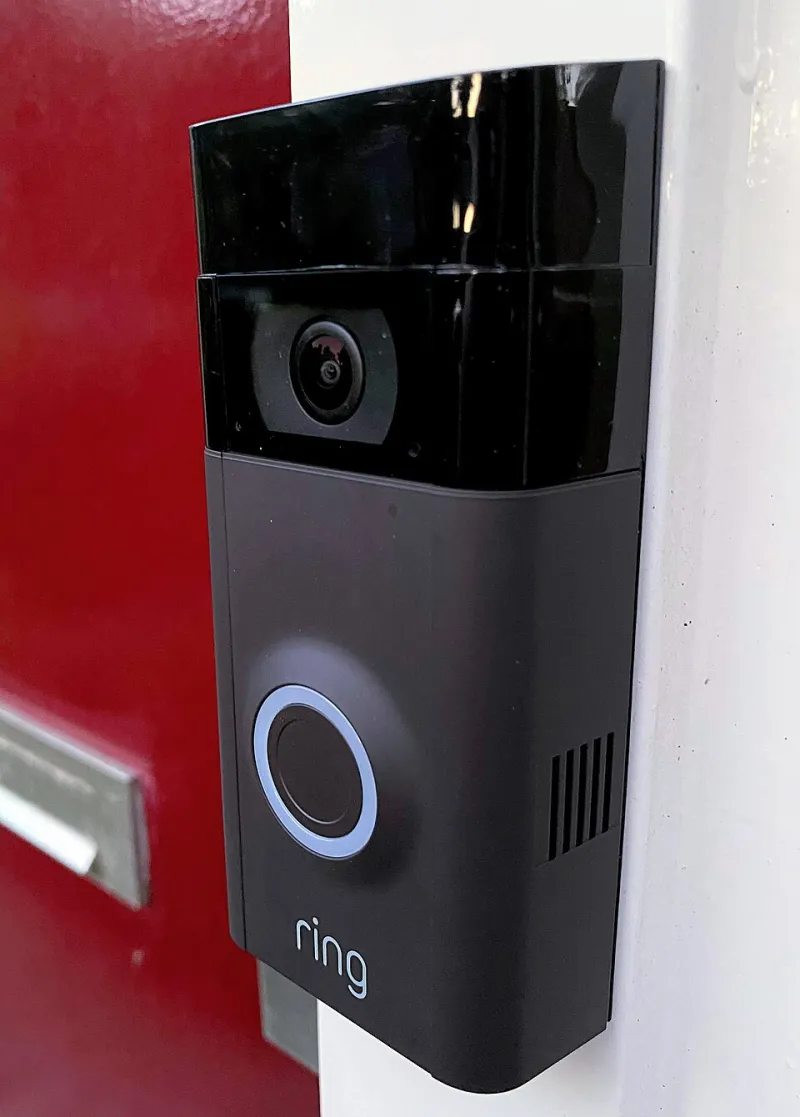
Photo: Amin, CC BY-SA 4.0, via Wikimedia Commons
A video doorbell is one of the few gadgets that pays for itself in reassurance. You can tell a courier where to leave the parcel without getting up. You know the bins went out. And once, in a moment of genuine usefulness, you get a decent look at the person who tried the handle at 2am.
It's also, quietly, a camera pointed at public space. And in the UK that puts you in slightly awkward territory — not because doorbells are illegal (they aren't), but because the moment your lens swings past your own boundary, you've stopped being a householder with a gadget and started being someone processing other people's personal data.
None of this needs to be dramatic. A few small adjustments keep you on the right side of your neighbours and the law.
The view from the other side of the hedge
Try this before anything else: stand where your camera can see and look back at it. Not at the app, at the physical spot. You'll usually find the lens takes in far more than the doorstep — a wide-angle doorbell mounted at chest height comfortably swallows the pavement, the dropped kerb, next door's gate and the back of a parked van.
That matters because most of the people it records are not intruders. They're kids walking to school, dog walkers, delivery drivers on their eleventh stop, your neighbour reversing off her drive at 7:40 every morning. If you'd feel uneasy being filmed doing any of that, they probably do too.
What the rules actually say, in plain English
Domestic CCTV sits in an odd corner of UK data protection law. The ICO's position is broadly this: if your camera only covers your own property, you're largely outside the scope of UK GDPR. If it also captures public areas or shared spaces, the law applies to you as a householder, and the usual principles come with it — tell people what you're doing, collect only what you need, keep it no longer than necessary, keep it secure, and be prepared to respond if someone asks what you hold about them.
In practice, no one is raiding a semi in Solihull over a Ring doorbell. But disputes do escalate, and a camera that's been used to keep tabs on a neighbour can become evidence in a harassment or nuisance complaint. The camera is a witness. Make sure it's a fair one.
Where is it actually pointing?
Every decent doorbell and outdoor camera has some version of privacy zones — blacked-out areas in the frame — and activity zones, which limit what triggers a recording. Use both.
Mask the neighbour's windows, their garden, and the shared path if you have one. Trim the view of the pavement down to the strip in front of your gate rather than the whole street. Turn the audio off unless you have a specific reason to keep it; microphones pick up conversations that were never meant for you, and sound tends to raise hackles faster than video ever does.
If you can, angle the camera down rather than out. A view of your own doorstep and the first metre of path does almost everything a household needs.
How long are you keeping the clips?
Default cloud plans often keep footage for 30, 60 or even 180 days. Ask yourself honestly what the seventy-ninth day of a clip of a pigeon is doing for you.
Seven to fourteen days is plenty for spotting a parcel thief or a scraped bumper. Anything longer is a growing pile of other people's movements sitting on a server you don't control. If your camera supports local storage on a card instead of the cloud, and you don't need remote viewing while you're away, that's often the tidier option.
And lock the account down: a strong unique password, two-factor authentication on, and a careful look at who you've given household access. Ex-partners, old housemates and the builder from three years ago all tend to linger.
Sharing footage: where neighbourly turns into trouble
This is the bit people get wrong most often. Posting a clip of a stranger to a local Facebook group or a WhatsApp street chat feels like community spirit. It's actually publication — of someone's face, potentially with an accusation attached. Get the wrong person and you're in defamation territory; share more than you should and it's a data protection problem too.
If something has happened, the route is the police: 101, or your force's online reporting portal, with the original clip kept untouched. Hand it over and let them decide. Don't edit it, don't add captions naming someone, and don't narrate your suspicions in the comments.
If an officer asks for footage later, you're generally not obliged to hand it over, but it's usually the decent thing. Ask for the request in writing, give them only the clip and the time window they need, and keep a note of what you passed on.
Flats, renters and shared front doors
This is where the practicalities bite hardest. In a block of flats, a doorbell on your own front door often points straight down a communal corridor — which is shared space, and often covered by the lease or the managing agent's rules. Ask first, in writing. If permission comes back as a no, a peephole camera or a camera that only films your own doorway threshold is the fallback.
Renters have two jobs: get the landlord's agreement before drilling anything, and plan to take the kit with you or make good when you leave. A battery doorbell mounted on a bracket avoids the drill entirely and travels well.
A ten-minute check, whatever your setup
- Look at the live view and ask whether you'd be happy for a neighbour to see the same angle of your front door.
- Set privacy zones over windows, gardens and shared paths.
- Set activity zones tight to your own threshold.
- Switch audio off if you don't need it.
- Cut retention to 14 days or fewer.
- Add two-factor authentication and remove anyone with access who shouldn't have it.
- Put up an honest, visible sign saying recording is taking place — no vague "24-hour monitoring" claims you can't back up.
- Knock on next door and mention it. A thirty-second chat prevents most of the complaints that ever get made.
It's a small camera. But it's the only thing on your street that never blinks, and a bit of restraint is what separates a useful doorbell from a running argument.