When the Lights Go Out: A Sensible Smart Home Blackout Kit for UK Winters
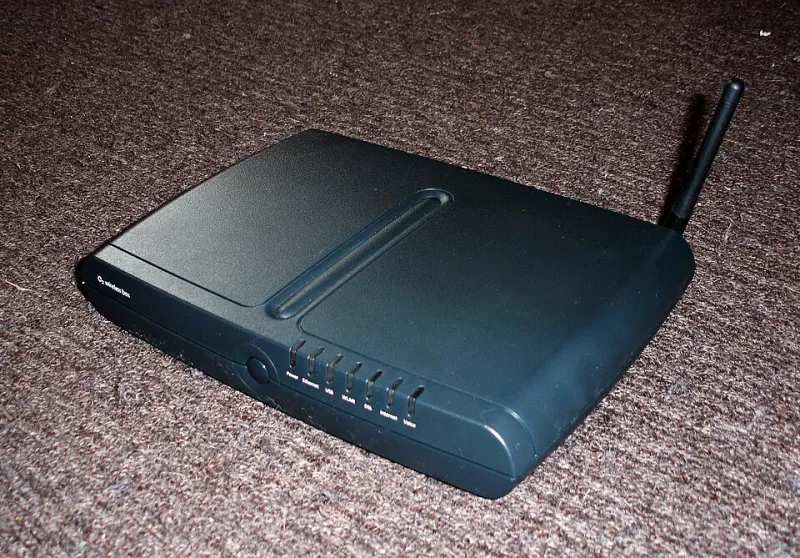
Photo: Be User Group Wiki, Public domain, via Wikimedia Commons
Power cuts in the UK are rarely dramatic. A storm takes out a line, a substation trips, or the local network does planned works and forgets to tell anyone. The lights go off, the boiler stops, and your smart home — the thing that turns lamps on with your voice — becomes a collection of expensive plastic bricks. The goal isn't to keep the whole house running. It's to keep the useful bits alive and know what to do when the cloud goes dark. As we head into winter 2026, here's a sensible plan.
Start with what actually matters
When the power drops, most people want four things: a charged phone, a working broadband connection, a light in the room they're sitting in, and some way to keep warm or at least know what's happening. Everything else is a bonus. So build your plan around those basics rather than trying to run every smart plug, camera and speaker from a battery.
The three things worth backing up
The router is first. No broadband means no cloud, no app control, and no streaming. A small UPS — the sort sold for home offices — can keep a router and its fibre ONT running for a few hours. Check the wattage on the power supply and buy a UPS with a bit of headroom. Don't guess; add up the labels.
The hub is second. If you run Zigbee, Z-Wave or Thread devices through a central hub, a modest UPS will keep it alive. Many hubs sip power. If yours has a built-in battery, test it now rather than discovering it's flat during a storm.
The phone is third. A 10,000mAh power bank will recharge most phones two or three times. Keep it charged, keep a cable in the same drawer, and don't rely on the car unless you have a charger in it.
What I would not spend on
Whole-home batteries and solar generators are brilliant if you have a farm or a medical need, but for a typical UK semi they're overkill for a few hours of outage. Be sceptical of anything marketed as blackout-proof for smart homes. A smart plug cannot keep your Wi-Fi alive. A smart emergency light that needs an app is not an emergency light. And a gadget that promises to run your whole home from a suitcase-sized battery is usually telling you more about its marketing than its maths.
The dumb backups in the drawer
Keep a torch and spare batteries, a battery radio, a power bank, a car phone charger, a printed list of important numbers, and a spare key if you have a smart lock. Candles are a fire risk; use LED lanterns. If you have a cordless landline, remember it dies with the power. A basic plug-in phone may still work if the line is live, but don't rely on it.
Test it before the next storm
Pick a quiet Sunday. Unplug the router and hub from the mains and see what still works. Does the UPS beep? Does the hub reconnect when power returns? Do your smart bulbs default to on or off? Label the plugs. Charge the power banks monthly. Check the age of the UPS battery. If your broadband depends on a powered ONT, that needs backup too.
A simple shopping list
One small UPS, one decent power bank, a USB-C cable, an LED torch, a battery radio, and a labelled box for the drawer. That's it. You can spend more, but you don't need to. The best blackout kit is the one you've tested, not the one with the biggest number on the box.