Seven Days With the Smart Stuff Unplugged: What I Would Keep and What I Would Bin
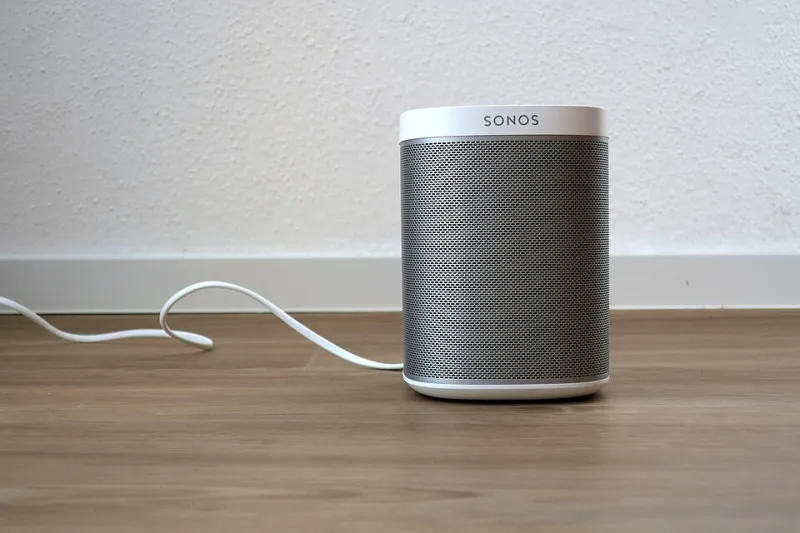
Photo: Robert Wetzlmayr, CC BY-SA 4.0, via Wikimedia Commons
I did not set out to become a smart home sceptic. It happened the way it happens to most people: a speaker one Christmas, a pair of plugs because they were reduced, a video doorbell after a parcel went missing from the step. Three years later the house had eleven connected devices and I could not have told you what four of them actually did.
So I unplugged the lot for seven days. Not as a protest, and not because I think technology is the enemy — I write about this gear for a living. I just wanted to find out which bits were genuinely earning their place.
The rules I set myself
Everything with a smart label on it went off: two speakers, four plugs, a couple of smart bulbs, the doorbell, the thermostat's app connection. The router stayed on, obviously, along with phones, laptops and the telly. I did not change any settings and I did not delete any accounts — this was a pause, not a purge. I also kept a running note of every time I instinctively reached for an app and found nothing there.
Day one: the silence
The first thing I noticed was the quiet. Not the absence of music — the absence of a device waiting to be spoken to. My other half pointed out that we had got into the habit of asking a plastic puck what the weather was doing instead of looking out of the window, which is a genuinely daft thing to do in a country where you can usually see the rain.
The lights were the bigger annoyance. The hall bulb had been on a schedule since the clocks changed and now had to be switched by hand, which meant walking four steps to a switch. I survived.
What the meter said
This was the part I was most curious about. Smart plugs, speakers and doorbells all sit there drawing a trickle of power so they can listen for a command or stay on the network. Nothing dramatic — think a watt or two each rather than anything that will show up on a smart meter display in a meaningful way.
But multiply a watt or two by eleven devices, by 8,760 hours in a year, and you land somewhere in the region of a hundred kilowatt hours annually. At the sort of unit rates we have been living with, that is real money — not life-changing money, but the price of a decent takeaway, spent on devices mostly waiting.
That figure is the strongest argument in the whole experiment, and it is also the easiest to fix. You do not need to bin anything; you need a couple of well-placed smart plugs on the telly and the games console, and you need to stop leaving five devices on standby because unplugging them is a faff.
The privacy question nobody enjoys answering
Here is the uncomfortable bit. A smart speaker that is always listening for a wake word is, by design, always listening. The manufacturers insist the audio is processed locally until you trigger it, and I broadly believe them. But 'broadly' is doing a lot of work in that sentence, and the honest answer is that you cannot audit any of it from your sofa.
What changed my thinking was not the big scary scenario. It was the smaller one: my niece came round, and I realised I had no idea whether the speaker in the kitchen had picked up any of the conversation. There is no button for 'explain exactly what happened to that audio'.
What I missed during the week was, predictably, almost nothing about privacy and quite a lot about convenience. What I gained was a slightly clearer head about which devices are in rooms where private conversations happen.
The friction nobody warns you about
Smart homes are sold as frictionless. In practice, a fair amount of the friction just moves.
Without the doorbell, I had to actually get up and answer the door. That was fine, and sometimes better. Without the plugs, the Christmas tree lights had to be switched on by hand, which is a first-world problem of the highest order but still an irritant at eleven at night.
The real friction was coordination. When the speaker went off, three family routines that had quietly become dependent on it — the shopping list, the timer for the pasta, the reminder about the bins — all collapsed at once. Anything that becomes invisible in your household routine is doing more work than you think.
A keep-or-bin framework that actually works
I did not come out of the week as a purist. I came out with four questions that I now apply to anything with a chip in it before it earns a permanent socket.
Does it do something a switch or a timer genuinely cannot? A plug on a lamp is convenience. A thermostat that learns the house's schedule is a different category.
Would I notice if it vanished for a month? If the answer is no, it is not a feature, it is clutter with a power draw.
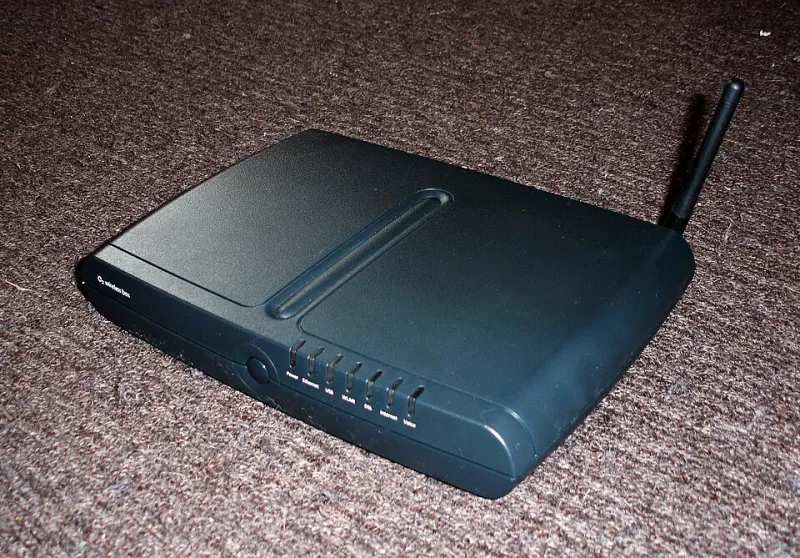
Does it still work when the broadband drops? Some do, many do not. The ones that fail completely when the router sneezes are the ones most likely to wind you up at the worst moment.
Am I comfortable with what it can see or hear? Not 'is it legal' — comfortable. Bedrooms and kitchens full of family conversation are a different calculation from a plug on a lamp in the hallway.
If a device fails two of those four, it goes in the drawer. If it fails three, it goes on the charity shop pile.
What went back on
On day eight I plugged everything back in, then immediately unplugged three things again. The spare-room plug went. The second speaker went. The smart bulb in the utility room went, because nobody has ever needed to dim a utility room.
The doorbell stayed, because the parcel problem was real. The kitchen speaker stayed, but it now has a physical mute switch that gets used, and it is not in the room where we have most of our conversations. The heating system stayed, because it genuinely saves money and I can prove it from the bills.
So the experiment did not turn me into a person who lives in a cabin. It turned me into a person who owns eight smart devices instead of eleven, and who knows exactly why each of the eight is there. That feels like the right result — not a verdict on smart homes, just a slightly smaller and better-argued version of one.