Ten Years of Clicks, Two Years of Support: The Smart Home Question Nobody Asks at the Till

Photo by Photo by UNIBOA on Unsplash on Unsplash
The plug still works. That's the maddening part. It clicks on at half six, clicks off at eleven, and the little LED glows away as if nothing has happened. What's died is the app — removed from the store, or updated into a version that no longer recognises your hardware. You've got a perfectly healthy lump of plastic and copper that has been quietly locked out of its own brain.
This is the quiet scandal of cheap smart home kit. We buy these things thinking we're buying a plug. What we're actually buying is a plug plus a promise, and the promise usually has a much shorter lifespan than the plug. Getting your head round that is the difference between a smart home and a drawer full of expensive orphans.
The two clocks nobody lines up
A decent smart plug is mechanically good for a decade or more. There's very little to go wrong: a relay, a radio chip, a capacitor or two. The average support window for the software behind it is closer to three to five years, and for the bargain end of the market it can be considerably less.
Those two numbers are never printed side by side on the box. Nobody in Currys is going to tap the packaging and say "by the way, the cloud service for this is likely to be switched off around 2029". But you can usually find out in about four minutes, and doing it before you pay is the single most useful smart home habit I can recommend.
When a manufacturer pulls the pin, the usual sequence is this. The app stops receiving updates. Then it stops working with the latest version of iOS or Android. Then the cloud endpoint the plug talks to goes dark, and the plug falls back to whatever it can do on its own — which, on most cheap models, is nothing at all. Your schedules vanish. Alexa and Google stop seeing it. The button on the front may still switch the socket, but that's your lot.
Insteon customers found this out the hard way in 2022 when the servers went down without warning. Google did a slower, tidier version of the same thing in 2019 when it retired Works with Nest. Neither company was being villainous; both had simply treated the software as a product with an end date while the customer had treated it as a plug.
Four checks before you hand over your card
Look for the support page, not the product page. Search the brand name plus "end of life policy" or "support lifecycle". Bigger names publish a date or a policy. If you find nothing at all, treat that as an answer.
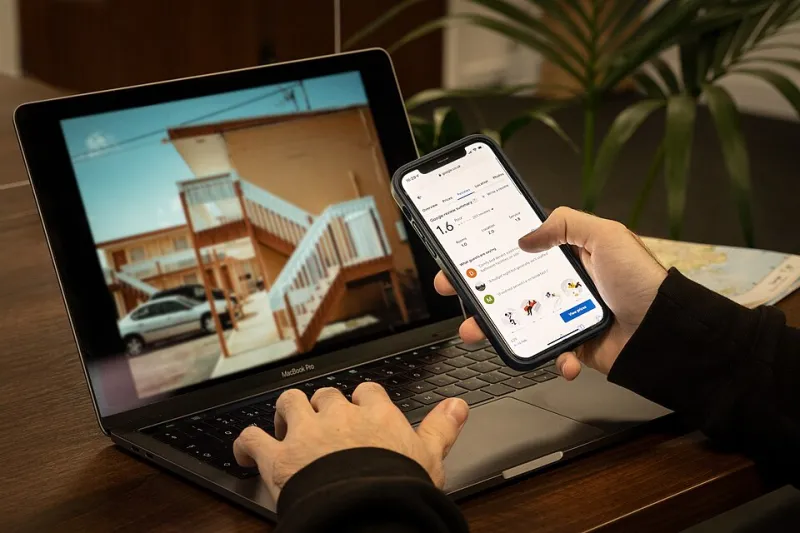
Check when the app was last updated. The App Store and Play Store both show version history. An app whose last meaningful update was two years ago is a warning light, particularly if the hardware is still being sold.
See whether it works without the cloud. Matter has made this much easier to answer. A Matter-certified plug can often be controlled locally by a Matter controller, so if the maker's app disappears you may still keep your schedules through Apple Home, Google Home or Home Assistant. A plug that only works through one company's app is a plug with a single point of failure.
Read the one-star reviews from the last three months. Not the ones from launch day. Recent reviews saying "app won't connect since update" tell you far more about the future of the product than any press release.
Spotting a device that's already on the way out
The signs are usually there before the app dies. The app's last update is older than your car's MOT. The manufacturer has been bought by someone else and the product has quietly vanished from the range. Support emails bounce or come back with a template that doesn't answer the question. Forum threads fill up with people asking whether anyone has a working copy of the old APK.
If two or more of those are true, don't wait for the funeral. Start planning the replacement now, while you can still buy something compatible and while the old one still has some residual usefulness.
Isolate, replace, or recycle
The first question is whether the device still does anything safely. A plug that clicks on a schedule but has no app is perfectly fine for a lamp or a Christmas tree — unplug it from Alexa, take it off the network, and treat it as a dumb timer. A camera is a different matter. If the app is gone, you can't check for firmware updates, and an internet-connected camera with no update path is a small security liability sitting in your hallway. Pull the plug on that one.
If there's a chance the device is still phoning home to a server nobody maintains, give it its own network. Most routers let you set up a guest SSID; park the old kit there and it can't see your laptop or your NAS. It's not a fix, but it's a decent fence.
Replacement is usually the right answer for anything that matters — heating, doorbells, anything you'd notice failing at 7am on a January morning. Buy the replacement with the checks above in hand, and if the old one is Matter-capable, try pairing it to a different controller before you bin it. You might get another two years out of it.
Recycling it without being a numpty
Smart plugs, cameras and thermostats are waste electricals. They don't go in the black bin, and they certainly don't go in the recycling sack — the circuit boards and any lithium coin cell inside a sensor will cause problems at the sorting plant.
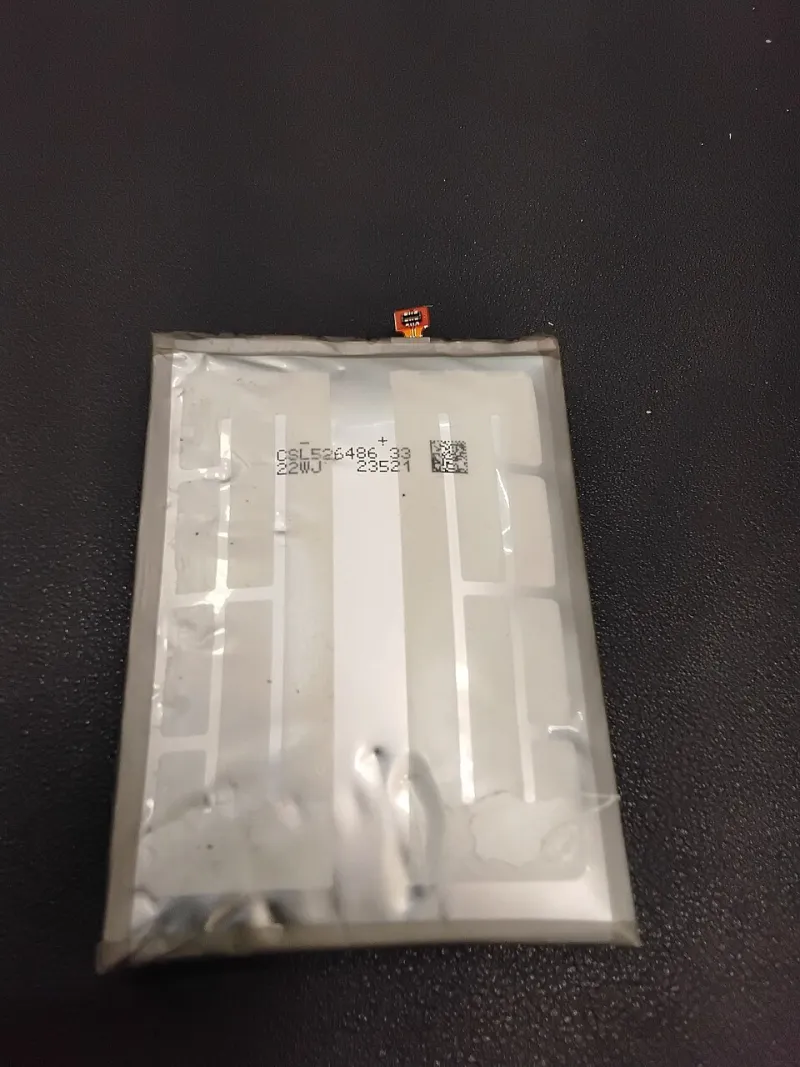
Take them to your local household waste recycling centre, which will have a small electricals container. Most large retailers will also take small electricals off your hands instore, whether or not you bought it there. If the device has a removable battery, take it out and tape the terminals before it goes anywhere near a collection point. Anything with a screen or a camera lens is worth wiping first — factory reset if you can, and if the app is dead, at least pull the storage card.
Before any of that, do one last thing: photograph the model number and the date you retired it. It sounds fussy, but when the same brand brings out a replacement and you're tempted by the price, that photo is the most honest review you'll ever read.