Two Quotes and a Calculator: How to Tell if a Broken Gadget Is Worth Saving
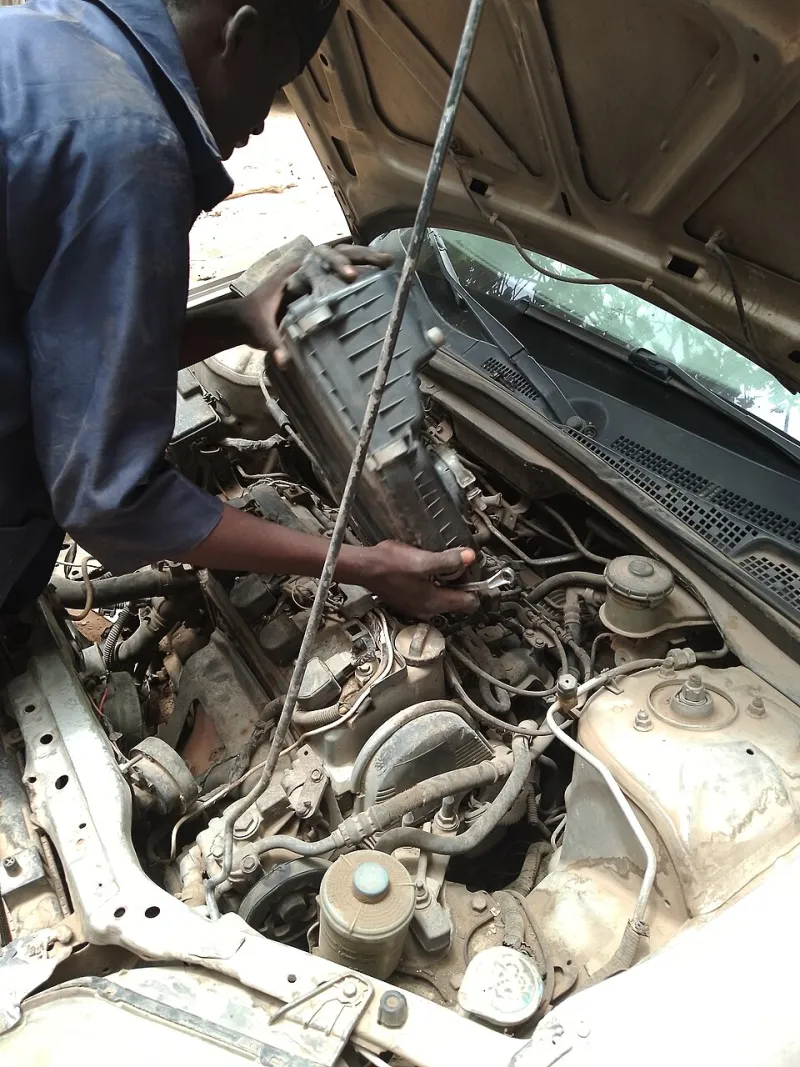
Photo: Bembety, CC0, via Wikimedia Commons
Something breaks on a Tuesday evening. The vacuum loses suction, the laptop fan sounds like a hairdryer, the printer flashes an error code at you in orange. Within about ten minutes you've talked yourself into a new one, and within twenty you've talked yourself out of it again. That wobble is worth taking seriously, because most of us make this decision on vibes when a bit of arithmetic would do the job in half the time.
Here's the method we'd use, and the honest verdicts on the kit that turns up in British homes most often.
Start with the replacement number, not the repair quote
The single most common mistake is comparing a repair quote to what you originally paid. That figure is history. What matters is what a like-for-like replacement costs today — same job, same rough spec, not the fancier model you've been eyeing on a deals page.
Once you've got that number, apply what we call the half-price rule: if the repair quote comes in above about 50% of a sensible replacement, walk away. Between 30% and 50%, it depends on age and how much life the rest of the machine has left. Under 30%, get it fixed and feel smug about it.
Two other things to weigh. First, a repaired five-year-old gadget is still a five-year-old gadget — if two other components are already tired, you're buying time, not a new lease of life. Second, a repair quote is not a bill. Ask for a fixed price before anyone picks up a screwdriver, and check whether the diagnostic fee is deducted from the final cost.
The six that usually earn a second run
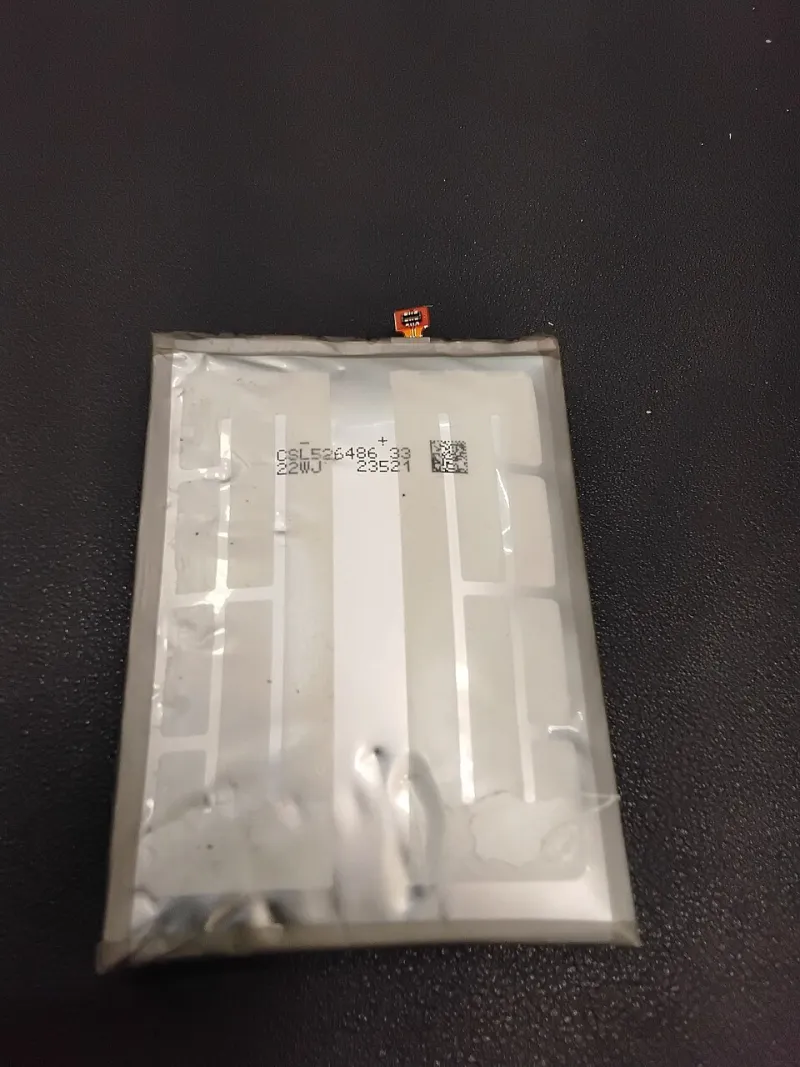
Phones. A screen or battery swap is the best-value repair in the house. Expect roughly £60–£150 for a screen on a mid-range handset and £40–£80 for a battery, against £400+ for a new phone. Do it if the phone is under four years old and the quote is below about 40% of a replacement. Chaos around parts pairing has eased but not vanished, so ask whether the repairer is using genuine parts and whether Face ID or battery health reporting survives the job.
Laptops. Batteries, SSDs, keyboards and hinges are all fixable and usually cheap — £50–£90 for a battery, £60–£120 for a decent drive swap. What kills the maths is anything soldered: a failed mainboard on a machine with no upgrade path is usually a no. Worth knowing before you book: a five-year-old laptop with a fresh SSD feels dramatically faster than it has any right to.
Cordless vacuums. Battery packs are the classic failure and a replacement typically runs £50–£100 against £250–£400 for a new stick vac. Filters, brush bars and belts are trivial. If the motor has gone, that's different — the sums rarely work.
Washing machines and other big white goods. A £450 machine with a dead pump or worn drum bearing is a £100–£150 repair, and worth it every time. The 2021 right-to-repair rules oblige manufacturers to supply spare parts for up to a decade on many appliances, though some components are restricted to professional repairers — which is fine, because you weren't going to reseal a drum yourself anyway.
Headphones and soundbars. Earcup pads, cables, headbands and batteries are petrol-money fixes on kit that cost £150 and up. Cheap true-wireless buds, glued shut with a battery inside, generally aren't.
Smart thermostats and hubs. These cost real money to replace and are usually ruined by something mundane — a dead power supply, a corroded terminal, a hub that needs re-registering. A £60 fix on a £200 thermostat is a straightforward yes.
The three that usually don't
Printers. The economics are a trap. A set of genuine cartridges can cost nearly as much as a new printer, and once a printhead or feed mechanism goes, you're throwing money at a machine designed to be replaced. Cheap ink, fewer prints, or a library trip beat a repair here.
Televisions with panel damage. A cracked or blotchy LCD panel is the whole cost of the telly. A backlight or power board fault might be worth a look at £80–£150 on a large set, but get a fixed quote before anything leaves your front room.
Budget smart plugs, sensors and £15 bulbs. Not because they can't be fixed, but because they're sealed, unrepairable and rarely the actual problem. Replace, dispose of properly, move on.
What you're already owed, free of charge
Before you spend anything, check the calendar. The Consumer Rights Act 2015 gives you a 30-day short-term right to reject faulty goods for a full refund. After 30 days you're entitled to one repair or replacement, and if that fails, a price reduction or a final refund. The clock on bringing a claim runs long — six years in England, Wales and Northern Ireland, five in Scotland — though the burden of proof shifts after six months, so keep receipts and photos of the fault.
Also check: the manufacturer's warranty (often one year, sometimes two), any extended guarantee from the retailer, your contents insurance for accidental damage, and Section 75 protection if you paid over £100 on a credit card. A surprising number of "broken" gadgets are simply covered.
Getting a quote that means something
Ring two local repairers, describe the fault precisely, and ask four questions: is the quote fixed or an estimate, what's the diagnostic fee, are the parts genuine or OEM-equivalent, and how long is the repair guaranteed? Anything under three months isn't really a guarantee.
If the money still doesn't work, try a repair café — the Restart Project lists sessions across the UK where volunteers will have a go for free or a donation. Worst case, you learn the diagnosis for nothing.
The bit nobody puts on the box
The UK is one of the world's more wasteful nations per head for electronics, and the UN's latest e-waste monitor reckons the planet generated around 62 million tonnes of the stuff in a single year. Every phone screen you save is a small dent in that, plus a few grams of cobalt and lithium that don't have to be dug out of the ground again.
But the environmental case only holds if the repair is sensible. Spending £200 to keep a failing laptop limping along for eight months isn't green, it's just expensive.
The short version
Get two quotes. Compare them to a like-for-like replacement, not to your original receipt. Fix phones, laptops with socketed parts, cordless vacuums, white goods, decent headphones and smart home hubs. Don't fix printers, dead TV panels or bargain-bin smart kit. And before you pay anyone a penny, read your rights — they're free, and they're already yours.