Bulging, Warm, Forgotten: What to Do With the Lithium-Ion Batteries Lurking in Your Home
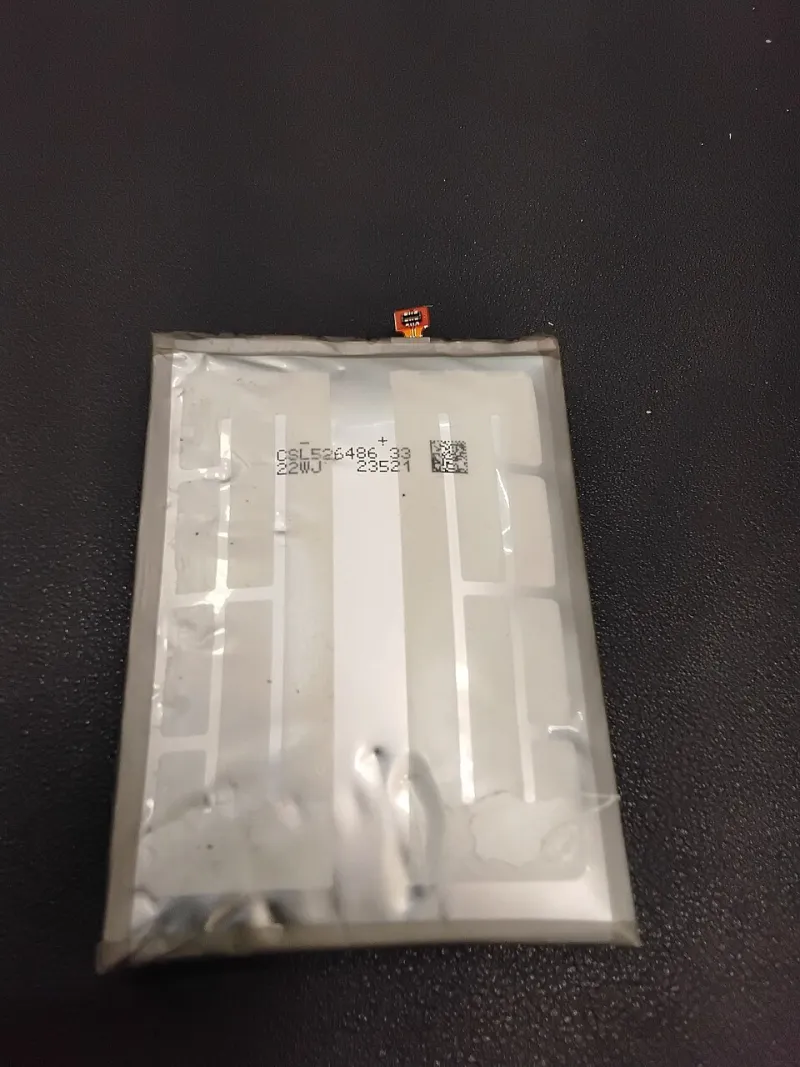
Photo: Saimmx, CC0, via Wikimedia Commons
Most UK homes have a drawer like this: a nest of cables, a power bank that stopped charging, two old phones, a vape that ran out ages ago, and something that might be a bike light. It is not a crisis. But lithium-ion batteries do not age gracefully, and a forgotten one can turn a messy drawer into a real fire risk. The good news is that a short, sensible audit once or twice a year is enough for most households.
Why the drawer deserves a proper look
Lithium-ion cells are everywhere: phones, tablets, laptops, power banks, wireless earbuds, vapes, cordless tools, e-bikes, scooters, smart doorbells, toys and a hundred other bits of kit. They pack a lot of energy into a small space. When a cell is damaged, badly made, overcharged or just old, it can heat up, vent gas and, in the worst cases, catch fire. That is not a reason to panic every time a phone feels warm. Normal warmth under load is fine. The problem is heat when a device is sitting idle, or a battery that has started to change shape.
The warning signs that actually matter
The obvious one is swelling. A phone back cover that no longer sits flush, a laptop trackpad that has lifted, a power bank with a rounded case, or a vape that looks fatter than it should — all of these are red flags. Other signs include hissing or popping, a sweet chemical smell, scorch marks, discoloured plastic, leaking fluid, or a device that gets unusually hot while doing nothing. A battery that drains from full to empty in minutes, or shuts down at 30 per cent, is also worth taking seriously.
If you spot any of these, stop using the device and stop charging it. Do not press the swollen battery to see if it is soft. Do not puncture it, freeze it, or try to squeeze it back into shape. If a battery is hot, hissing, smoking or alight, get everyone out, close the door behind you and call 999. Do not try to move a burning battery.
If a battery has already swollen
Treat it like a small, grumpy guest. Tape over the terminals with electrical tape so they cannot touch anything metal. Put it in a cool, dry place away from curtains, paper, beds and anything else that burns easily. A non-conductive plastic tub is better than a loose drawer. Do not put it in a metal tin with other batteries, because the terminals could short against the metal or each other. Keep an eye on it and take it to a proper recycling point as soon as you can. If it is hot, smoking or hissing, do not wait — call 999.
Charging habits that lower the odds
Use the charger that came with the device, or a reputable one from a known brand. Cheap unbranded chargers are a false economy. Charge on a hard, non-flammable surface such as a kitchen worktop or a stone floor rather than a bed, sofa, carpet or pile of washing. Do not cover a charging device with a cushion or blanket. Unplug when it is done. Overnight charging is common and most modern devices manage it, but it is not ideal for an old or damaged battery, and it is not something to do with a cheap power bank from a market stall. For e-bikes and scooters, charge while you are awake and in the house, ideally somewhere with a smoke alarm, and not in the only route out of the building. Avoid charging in a freezing shed or a damp garage.
Storage that does not create a surprise
Spare batteries should be kept cool and dry, with their terminals protected. Do not tip a handful of loose cells into a metal tin with keys and coins. If you are storing a device for months, a charge of roughly 40 to 60 per cent is kinder to the cell than leaving it full or flat. Do not put lithium-ion batteries in the freezer. And do not leave a swollen battery in a drawer 'to deal with later'. Later is how these things become a story.
The ten-minute drawer audit
Pick one drawer or box. Empty it onto a hard surface. Sort everything into three piles: keep, recycle, and not sure. Check every old phone, power bank, earbud case, vape, bike light, toy and mystery gadget. Look for swelling, cracks, corrosion and scorch marks. Have a sniff — a sweet solvent smell is a warning. Feel anything that has been sitting idle; it should be at room temperature. Put damaged items to one side, tape their terminals, and book a trip to a recycling point. Then put the keepers back neatly and make a note to do the same in six months. That is it. No drama, no expensive kit.
Where to take dead and damaged batteries in the UK
This is the part people get wrong. Batteries do not go in the kerbside bin or the mixed recycling. They cause fires in collection trucks and waste plants. Small batteries can often go into collection boxes at supermarkets, DIY stores and some electronics retailers. The Recycle Your Electricals website has a postcode finder for local drop-off points. Your council household waste recycling centre should accept batteries and small electricals, but call ahead if a battery is swollen or damaged, because not every site takes damaged cells at the small drop-off bin. E-bike and scooter batteries may need a specialist take-back or a retailer that accepts them. Vapes contain lithium-ion cells too, so never bin them; many retailers and councils have a collection point.
If in doubt, ring your council and ask. Do not post a damaged battery. Do not put it in an ordinary parcel. And do not leave it on the pavement outside a shop that is closed.
A small habit, not a big worry
You do not need to treat every battery like a bomb. You just need to notice the ones that are trying to tell you something. A quick check as we head into the darker months of 2026 is a sensible bit of home admin, like testing the smoke alarm or clearing the gutters. If you find a swollen cell, deal with it, recycle it properly, and let it be the nudge to check the rest. Your drawer will be tidier, your home will be safer, and you will finally know what that mystery cable was for.