





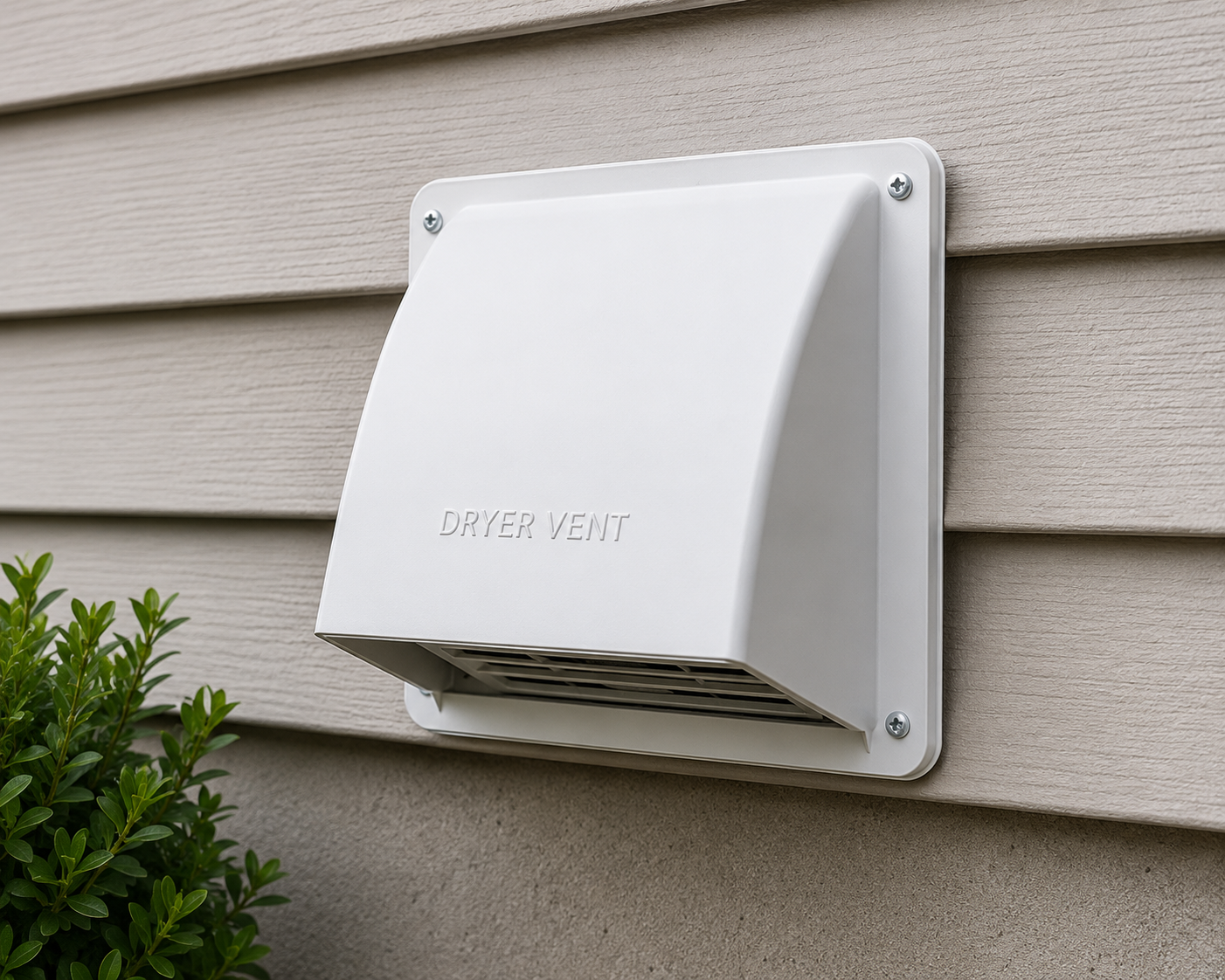
Every home with a clothes dryer needs a way to send hot air outside. That is where a dryer vent cover comes into play. This simple device sits on the outside wall of your house. It connects to your dryer duct and allows moisture and lint to escape safely. Without it, you would have a big open hole in your wall. That hole would let cold air, rain, and unwanted visitors right into your living space.
Choosing the right dryer vent cover is highly important for your home’s safety. When your dryer runs, it pushes out a lot of wet air. If this air gets trapped, it can cause mold to grow inside your walls. A good cover acts like a one-way street. It lets the bad air out but keeps the outside elements from getting back in. It is a small part of your house that does a massive job every single day.
How a Quality Dryer Vent Cover Saves You Money
Did you know that a broken dryer vent cover can raise your energy bills? It is true because an open vent lets chilly winter air or hot summer air blast inside. Your heating and cooling system will have to work twice as hard to keep your home comfortable. By installing a sealed dryer vent cover, you block those nasty drafts completely. This keeps your indoor temperature steady and puts money back into your pocket.
Another way a great dryer vent cover saves money is by protecting your appliances. When a vent is clogged or damaged, your dryer has to run longer to dry a single load of clothes. This extra work wears out the machine quickly and uses way too much electricity. Investing in a sturdy dryer vent cover means your dryer lasts longer and runs much more efficiently. It pays for itself over time.
Keeping Pests and Small Animals Out of Your Home
An unprotected outdoor opening is like an open invitation for local wildlife. Mice, rats, birds, and bugs love the warm air coming from your dryer line. They will gladly build nests inside the pipe if you do not have a strong dryer vent cover. These nests completely block the airflow, which creates a dangerous situation. A heavy-duty dryer vent cover keeps these furry and winged critters outside where they belong.
Many homeowners prefer a dryer vent cover with a built-in mesh screen or a magnetic door. These features ensure that even the smallest pests cannot wiggle their way inside. However, you must make sure the design does not trap lint easily. A well-designed dryer vent cover balances pest control with smooth airflow. It gives you peace of mind knowing your home is safe from unwanted animal guests.
The Core Product Details at a Glance
To help you understand the different options on the market, we created a handy reference table. This shows you exactly what to look for when shopping for your next home improvement project.
| Feature | Plastic Vent Covers | Metal Vent Covers | Louvered Vent Covers |
| Material Durability | Medium (Can fade in sun) | High (Resists weather) | Medium to High |
| Pest Protection | Basic | Excellent | Good |
| Maintenance Need | Low | Low | Medium (Check flaps) |
| Cost Price | Budget-Friendly | Moderate to High | Budget-Friendly |
| Best Used For | Side walls | Roofs and side walls | Standard side walls |
Different Types of Covers for Your Household
There are several styles of the dryer vent cover available in hardware stores today. The most common type is the louvered cover, which has several small flaps that open when air blows out. Another popular style is the draft blocker, which uses a floating cap inside a pipe. This cap rises when the dryer is on and drops down tight when the machine turns off.
You can also find a dryer vent cover made specifically for roofs if your duct runs upward. Choosing the right style depends on where the vent exits your home and your local weather conditions. For example, if you live in an area with heavy snow, you need a dryer vent cover that sits high off the ground and will not get buried easily.
Plastic vs. Metal: Which Material Wins?
When shopping, you will notice that a dryer vent cover is usually made of plastic or metal. Plastic models are very popular because they are cheap and will never rust. They come in many colors to match your home’s vinyl siding. However, cheap plastic can become brittle after years of baking in the hot sun. It might crack if hit by a stray baseball or a lawnmower.
On the other hand, a metal dryer vent cover offers superior strength and longevity. These are usually made from aluminum or durable stainless steel. A metal dryer vent cover can withstand harsh winter storms and stubborn pests trying to chew their way inside. While they cost a bit more upfront, they last much longer. They are often the best choice for homeowners looking for a permanent fix.
Preventing Dangerous Dryer Fires in Your Home
Safety is the number one reason to care about your dryer vent cover. According to safety experts, clogged dryer lines are a leading cause of home fires. When lint cannot escape through the dryer vent cover, it builds up inside the entire pipe. Lint is highly flammable and can ignite easily from the high heat of the dryer.
A clean and fully working dryer vent cover ensures that lint flies out of the house safely. If your cover’s flaps are stuck glued shut with dirt, the heat has nowhere to go. Regularly checking your dryer vent cover is a simple chore that keeps your family safe. It is a quick habit that prevents big disasters down the road.
How to Install a New Cover in Easy Steps
Installing a new dryer vent cover is a simple task that you can easily do yourself over the weekend. First, you need to measure your existing duct pipe so you buy the right size cover. Most home ducts are four inches wide. Next, remove the old, broken cover carefully using a screwdriver and a putty knife to clear away old sealant.
Once the area is clean, slide the neck of the new dryer vent cover into the wall pipe. Secure it tightly to the outside wall using exterior screws. Finally, apply a neat bead of outdoor silicone caulk around the edges of the dryer vent cover. This seals out water and stops air leaks, making your installation look completely professional and neat.
Cleaning and Maintenance Tips for Homeowners
To keep your dryer vent cover working perfectly, you need to clean it at least twice a year. Walk outside while your dryer is running to see if the flaps open up fully. If they stay shut or only open a tiny bit, lint is likely clogging the mechanism. Turn off the machine and gently clear away the fuzzy buildup with your hands or a small brush.
During the cold winter months, check your dryer vent cover for ice accumulation. Freezing moisture can lock the flaps in place, which stops your dryer from venting correctly. A quick inspection takes only a minute but ensures your system runs safely all season long. Clean vents mean a happier home and faster laundry days.
Signs It Is Time to Replace Your Old Cover
How do you know when your dryer vent cover has reached the end of its life? The most obvious sign is visible physical damage, like cracked plastic or missing pieces. If the flaps are completely missing, birds and mice can walk right inside your home. Another sign is when your clothes take multiple cycles to dry completely.
You should also check if the area around the dryer vent cover looks damp or smells like mold. This means moist air is getting trapped inside the wall instead of escaping. If you notice any of these warning signs, do not wait to take action. Replacing a worn-out dryer vent cover immediately protects your property from expensive water damage.
Summary and Final Thoughts on Home Protection
Taking care of your home means looking at the small details, including your dryer vent cover. This simple piece of hardware protects your house from pests, weather, and high energy bills. It also plays a massive role in preventing dangerous laundry room fires. Choosing a high-quality model is a smart move for every homeowner.
Whether you prefer lightweight plastic or heavy-duty metal, keeping the vent clean is the true key to success. Take a walk outside this weekend and inspect your own dryer vent cover. If it looks old, broken, or clogged, head to the store for a quick upgrade. Your dryer, your wallet, and your family will thank you for it!
Frequently Asked Questions
How often should I check my exterior dryer vent cover?
You should inspect your outdoor cover at least once every six months. Look for lint buildup, broken flaps, or signs of animal damage to ensure everything works safely.
Can I put a regular mesh screen over my vent?
No, you should never use a standard tight window screen over a dryer vent. Regular window mesh traps lint instantly, which blocks the airflow and creates a major fire hazard.
Why are the flaps on my vent cover stuck open?
Flaps usually get stuck open because sticky lint and dirt build up on the hinges. Give the cover a good cleaning with warm soapy water to help the flaps move freely again.
What size cover do I need for a standard home dryer?
Most residential clothes dryers use a four-inch diameter duct line. This means you will need a standard four-inch cover, but always measure your pipe before buying a replacement.
Is a metal vent cover better than a plastic one?
Metal covers are generally better because they last longer and resist damage from pests and harsh sunlight. Plastic covers are cheaper but can crack over time in extreme weather.
Can a bad vent cover cause my dryer to overheat?
Yes, if the cover cannot open properly, the hot air is forced back into the dryer. This causes the machine to overheat, which can damage the appliance or start a fire.