Ink by Direct Debit: The Printer Subscription Maths UK Homes Should Do Before Signing Up
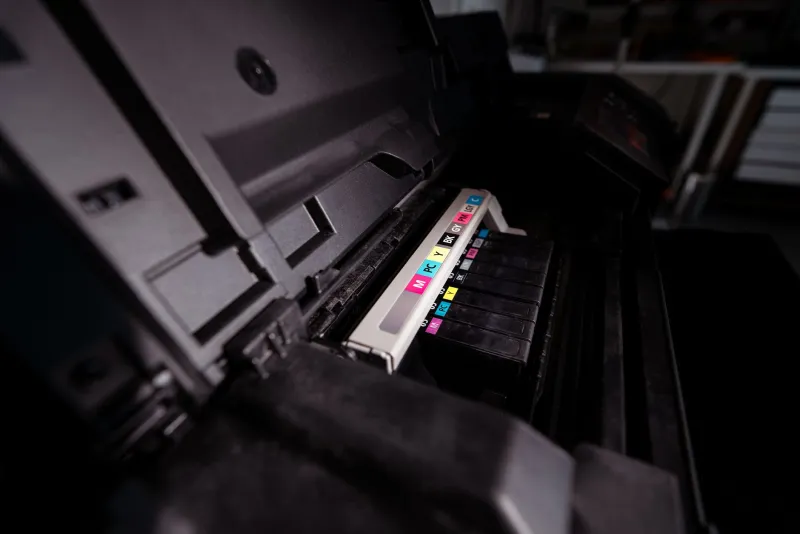
Printers have a funny way of looking cheap at the till and expensive on the bank statement. The box might cost £49.99, but the ink inside it is often the real business model. In 2026, plenty of UK households are on some form of cartridge subscription — often sold as a friendly monthly plan that posts ink before you run out. Done well, that can be handy. Done badly, it is a direct debit for pages you never print.
This is not a rant about printers. It is a plain-English audit. If you print the occasional boarding pass, school letter or return label, the maths matters more than the marketing.
The cheap printer is rarely the whole story
Manufacturers make much of their money from consumables, not the plastic box. That is why a printer can be discounted hard on Black Friday while replacement cartridges stay stubbornly pricey. Subscription plans smooth that cost into a monthly fee, which is precisely what makes them easy to ignore.
The sales pitch usually goes like this: pay a few pounds a month, get ink delivered, never pay cartridge prices again. The small print often includes a page allowance, rollover rules, a price-rise clause and a condition that the cartridges stop working if you cancel. None of that is necessarily sinister — but you need to know which bits apply to you before you sign.
Check three things first. Does the plan require you to use only the supplied cartridges? What happens to cartridges you have already received if you cancel? And can the monthly price change during the minimum term? If the answers are vague, treat that as a warning light.
The only number that matters: cost per page
Ignore the monthly fee for a moment. Work out what each printed page actually costs you.
Take a plan at £3.99 a month with a 50-page allowance. If you print all 50 pages, that is about 8p per page. Not bad. If you print eight pages in a month, it is closer to 50p per page. A single return label suddenly costs more than a decent coffee.
Now compare a bought cartridge. Suppose a black cartridge costs £30 and realistically prints 200 pages. That is 15p per page. If you print 30 pages a month, the cartridge lasts over six months and costs you £5 a month on average. The subscription may still win on convenience, but it is not automatically cheaper.
Use this simple sum:
Monthly plan fee ÷ pages you actually print each month = real cost per page
Then add any overage charges, postage, or the cost of colour cartridges bought separately. If you print fewer than 20 pages a month, most ink subscriptions are poor value unless you desperately want the delivery convenience.
The exit plan for a plan you no longer want
If you are already inside an auto-renewing ink plan, do not just cancel the direct debit and hope for the best. That can leave you owing money or locked out of cartridges you have already paid for.
Start by downloading your last few statements or usage summaries. You want to see the monthly fee, page allowance and any overage charges. Then find the cancellation terms in your account or the original email. Look for a minimum term, notice period and instructions for returning unused cartridges.
Next, ask the provider — in writing, ideally — what happens to your printer after cancellation. Some schemes require you to return cartridges; others let you keep them but stop them working. Get the answer before you cancel, not after.
If you have unused pages rolling over, plan your last few prints sensibly. Print the documents you genuinely need, then cancel. Keep a screenshot or email confirming the cancellation date. If the company keeps billing you, complain in writing and ask for a refund of charges taken after cancellation. Citizens Advice can help if a firm is being slippery about your rights.
Sensible alternatives for occasional printers
If you print a handful of pages a month, you are not the customer most ink plans are designed for. That is fine. There are other routes.
A simple mono laser printer can be a good shout for text documents. The upfront cost is higher, but toner lasts ages and does not dry up like ink. For colour photos, use a local print shop or an online service — you will get better quality than a home inkjet and avoid another subscription.
Libraries and stationery shops still exist for the odd urgent print. For returns labels, many courier shops will print them for a small fee. If you need regular but low-volume printing, a printer that takes reasonably priced third-party cartridges may suit you, though check the warranty terms before assuming cheap ink is risk-free.
Refill shops and cartridge-recycling schemes are worth a look, especially in bigger towns. Just buy from a reputable UK seller and keep your receipts.
A ten-minute check before you sign up
Before you tick the box on any ink subscription, ask: What is the page allowance, and what counts as a page? Does unused allowance roll over, and for how long? Can the monthly price rise? What is the minimum term? How do I cancel, and what happens to the cartridges? Can I use my own cartridges while I am subscribed?
If the answers are not clear on the website, email support and keep the reply. A good provider will explain the deal without flannel. A bad one will point you at a 40-page terms document.
Printers are useful tools. They should not feel like a gym membership you are too tired to cancel. Do the cost-per-page sum, read the cancellation rules, and choose the setup that matches how much you actually print. Your bank statement will thank you.