Your Energy Data Leaves a Trail: A Smart Meter Privacy MOT for UK Homes
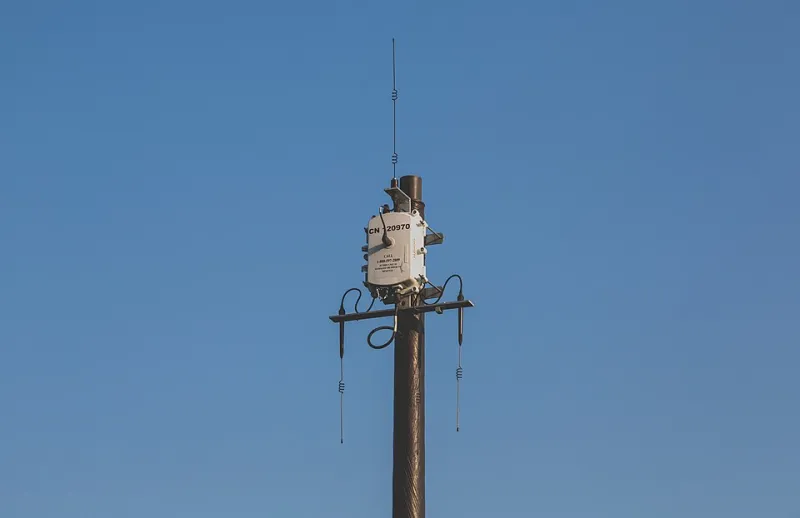
Photo: Tony Webster from Minneapolis, Minnesota, United States, CC BY-SA 2.0, via Wikimedia Commons
Smart meters are usually sold on the obvious benefits: no more crawling under the stairs with a torch, clearer bills, cheaper off-peak charging. Fair enough. But the kit in your home is also a small network of sensors and cloud accounts, and it produces a surprising amount of data about how your household runs.
None of this is a reason to rip the meter off the wall. It is a reason to spend ten minutes on the settings. Think of this as a privacy MOT for your energy tech: check the basics, tighten what is loose, and ask the installer a few awkward questions before they drill anything.
What the kit actually collects
A smart meter records how much electricity and gas you use, usually in half-hourly or daily chunks. Your supplier needs readings for billing. The in-home display shows you the numbers. The supplier app turns those numbers into graphs, estimates and prompts.
Solar inverters and home battery hubs add another layer. They know when the sun is shining, when the battery charges, how much you export and when your house is drawing from the grid. Some systems also record firmware versions, serial numbers, IP addresses and app login details. If the system is cloud-connected, that data is leaving your home.
That is not automatically sinister. Remote monitoring helps with faults, firmware updates and warranty support. But the detail and the retention period matter. A monthly total is one thing. A minute-by-minute record of when you put the kettle on is another.
What is normal, and what is overreach
Normal: your supplier uses meter readings to bill you, to settle the energy market and to show you usage in its app. Your solar or battery installer uses a cloud portal to check the system is working. You get firmware updates. You can download your own data.
Overreach: a supplier app asks for access to your contacts, precise location or microphone when it does not need them. A free smart thermostat insists on sharing data with 'selected partners' before it will heat your house. An installer locks you out of the local controls and says the cloud is the only way. A comparison site wants your half-hourly data forever with no clear delete button.
The line is usually consent and necessity. If a feature needs the data, fine. If the data is being collected because it might be useful one day, ask why.
The privacy MOT: seven checks
-
List the accounts. Write down every energy app, inverter portal and battery hub you have. Include the ones you set up and forgot. If you cannot remember the password, that is a sign to tidy up.
-
Check your supplier app's sharing settings. Look for marketing consent, 'personalised offers' and data sharing with partners. Turn off what you do not need. Ask for a copy of your data if the app offers a download.
-
Secure the solar or battery portal. Use a strong, unique password and two-factor authentication if it is offered. Check whether the installer still has admin access. If they do, ask whether that is necessary now the system is commissioned.
-
Separate the gadgets. Put smart meters, inverters, batteries and other home tech on a guest Wi-Fi network or a separate IoT network if your router supports it. Keep your laptop and phone on the main network.
-
Review tariffs that depend on fine-grained data. Time-of-use tariffs can save money, but they need half-hourly data. That is a fair trade if you understand it. Check what happens if you switch supplier and whether the new one gets the same history.
-
Ask about retention and deletion. How long does the supplier or installer keep the data? What happens when you close the account? Can you export it? Is there a local-only mode for the inverter or battery?
-
Check the firmware. Automatic updates are usually good for security, but you should know they happen. Ask who can push firmware to the device and whether you will be told.
Questions to ask before you sign
If a supplier or installer is standing in your kitchen, ask these plainly:
- What data leaves the house, and how often?
- Who can see it — just the supplier, or third parties too?
- Can I use the system without a cloud account?
- How long do you keep my data after I leave?
- Can I delete my account and the history?
- Is two-factor authentication available?
- What happens to the solar or battery if the internet goes down?
- Will you still support this model in five years?
You will not always get perfect answers. That is useful information too. A company that can explain its data flow in plain English is usually a safer bet than one that says 'don't worry about it'.
The bottom line
Smart energy tech is genuinely useful. It can cut bills, make off-peak charging easier and help you spot a failing appliance. But it is still tech, and tech collects data. A ten-minute MOT twice a year is a small price to pay for knowing where your household's habits end up.
Start with the app you use most, turn off the sharing you do not need, and ask the installer one awkward question. You do not have to be paranoid. You just have to be the person who read the settings page.