The Drawer Phone Isn't Dead Money: A 2026 UK Guide to Trading In, Selling and Recycling Your Old Mobile
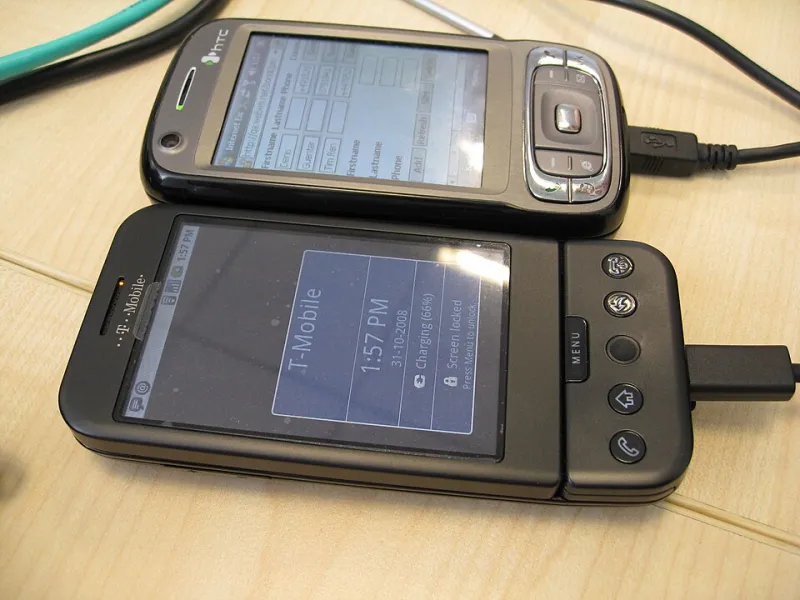
Photo: Kai Hendry, CC BY 2.0, via Wikimedia Commons
Most UK homes have a small graveyard of old phones somewhere. Maybe it is the kitchen drawer, maybe it is a shoebox under the bed, maybe it is the cupboard where chargers go to breed. The device is two, three or five years old. The screen might be cracked. The battery is not what it was. And every few months you think about doing something with it, then close the drawer again.
That is understandable, but it is not ideal. In 2026, an old handset still has value — as a trade-in, as a sale, or as recycled materials. The trick is knowing which route suits you, and being honest about the trade-offs. Convenience usually costs you money. Selling directly usually makes you more, but it comes with admin and the occasional time-waster. Recycling should be the last resort, not the first.
Start with the honest value check
Before you accept any quote, find out what the phone is actually worth. Use a comparison site or check two or three trade-in schemes directly. Enter the model, storage size and condition accurately. A phone with a cracked screen, a tired battery or a locked account is worth less than a pristine one. That is not a scam; it is just how the maths works.
Check whether the handset is unlocked and whether it has any outstanding finance. If you bought it on a contract, make sure it is paid off and that the network has released it. A phone that is blacklisted or still tied to an unpaid agreement is not a fair sale, and a reputable buyer will reject it.
Also check the battery health if the phone still turns on. On an iPhone, look in Settings for Battery Health. On Android, the exact menu varies, but a diagnostic app or the phone's own settings will usually give you a rough idea. A phone with 78% battery health is not worthless, but it is not a top-grade trade-in either.
Trade-in schemes: easy, but read the small print
Retailer and manufacturer trade-in schemes are the easy option. You answer a few questions, get a quote, post the phone or hand it in at a shop, and wait for the money. The big advantage is that you are dealing with a known company. The big disadvantage is that the first quote is not always the final quote.
Many schemes revise the offer once the phone arrives. Sometimes that is fair — the screen was more scratched than you said, or the phone was locked to an account. Sometimes it is a lowball. If the revised offer is much lower than you expected, check whether you can reject it and get the phone back. Read the terms before you post anything. Keep proof of postage and use a tracked service.
Payment times vary. Some schemes pay within a few days; others take a couple of weeks. Do not rely on the money arriving before a bill goes out. And do not send a phone in a padded envelope with no tracking, no matter how convenient it feels at the Post Office counter.
Selling it yourself: more money, more faff
If you want the best price, selling directly is usually the way. eBay, Facebook Marketplace, Gumtree and specialist phone-selling sites all have their own pros and cons. eBay gives you a wider audience but comes with fees and the occasional awkward buyer. Facebook Marketplace is free and local, but you will get messages asking if it is still available before you have finished typing the listing. Specialist sites are often simpler, but they may take a commission.
Photograph the phone honestly. Show the scratches. Mention the battery health if you know it. State whether it is unlocked, whether the original box is included and whether any accessories come with it. A clear, honest listing saves everyone time.
Meet in a safe public place if you are selling locally. Do not invite a stranger to your home for a phone sale. Do not hand over the device until the payment has cleared. Bank transfers can be reversed or faked, and cash can be counterfeit. If you post the phone, use a tracked, signed-for service and keep the receipt.
Be wary of anyone who offers more than your asking price, asks to pay by an unusual method, or wants to arrange a courier before seeing the phone. Those are classic scam patterns. A genuine buyer does not need your email password, a remote access app or a screenshot of your bank app.
Council recycling and WEEE
If the phone is genuinely beyond use, do not put it in the bin. Mobile phones contain materials that should not go to landfill, and they also contain data. In the UK, small electrical items are covered by WEEE recycling rules. Most household waste recycling centres accept small electricals, including phones. Some councils offer kerbside collections for small electrical items, but this varies by area, so check your council website first.
Charity shops sometimes accept working phones, but ask before handing one over. A broken phone is not a donation; it is a problem. If you are recycling at a council site, remove your SIM and memory card first, and wipe the phone if it still works. If it does not turn on, ask the site staff how they handle data-bearing devices. A reputable recycler will have a process for it.
The data wipe checklist
This is the part people skip, and it is the part that matters most. Before you sell, trade in or recycle any phone, do the following:
- Back up photos, contacts, messages and anything else you want to keep.
- Sign out of your Apple account or Google account.
- Turn off Find My iPhone or Google's device protection and activation lock.
- Remove the SIM card and any microSD card.
- Perform a factory reset from the settings menu.
- Check that the phone restarts to the setup screen, not your home screen.
- Change the password on your main email account if you are at all unsure.
- Remove the old device from your list of trusted devices.
If the phone is broken and cannot be wiped, do not sell it as a working device. Take it to a reputable recycling point and explain the situation. Do not put it in a general waste bin. Do not give it to a doorstep collector who cannot tell you where it is going.
The old phone in your drawer is not junk. It is a small piece of value, a small piece of admin and a small piece of your digital life. Spend twenty minutes on it this week. Get a couple of quotes, wipe it properly and choose the route that suits you. Your drawer will be tidier, your data will be safer and your bank balance will be slightly happier.