




Have you ever looked at a photo and felt like you were right there in the moment? That is the magic of lifestyle photography. Unlike posed studio portraits, this style focuses on real life. It captures genuine emotions, natural movements, and honest interactions between people. Whether it is a family laughing in the kitchen or a friend walking in the park, lifestyle photography tells a beautiful story. It is all about being authentic rather than perfect. My goal is to help you understand how to use your camera to freeze these special, fleeting moments forever. By following a few simple steps, anyone can learn to take amazing, heartfelt pictures that tell a story.
What Defines Great Lifestyle Photography?
At its heart, lifestyle photography is about capturing the “in-between” moments. It is less about fancy equipment and more about observing human behavior. You want to show how life really feels. When you practice lifestyle photography, you are documenting a narrative rather than just making a pretty image. You should look for small details, like a child holding a toy or a couple sharing a secret smile. These tiny details make your photos feel real and relatable. Always aim for spontaneity. When people forget you are there with a camera, that is when the best pictures happen. Keep your gear ready to grab those magic, unscripted seconds.
Setting the Scene for Success
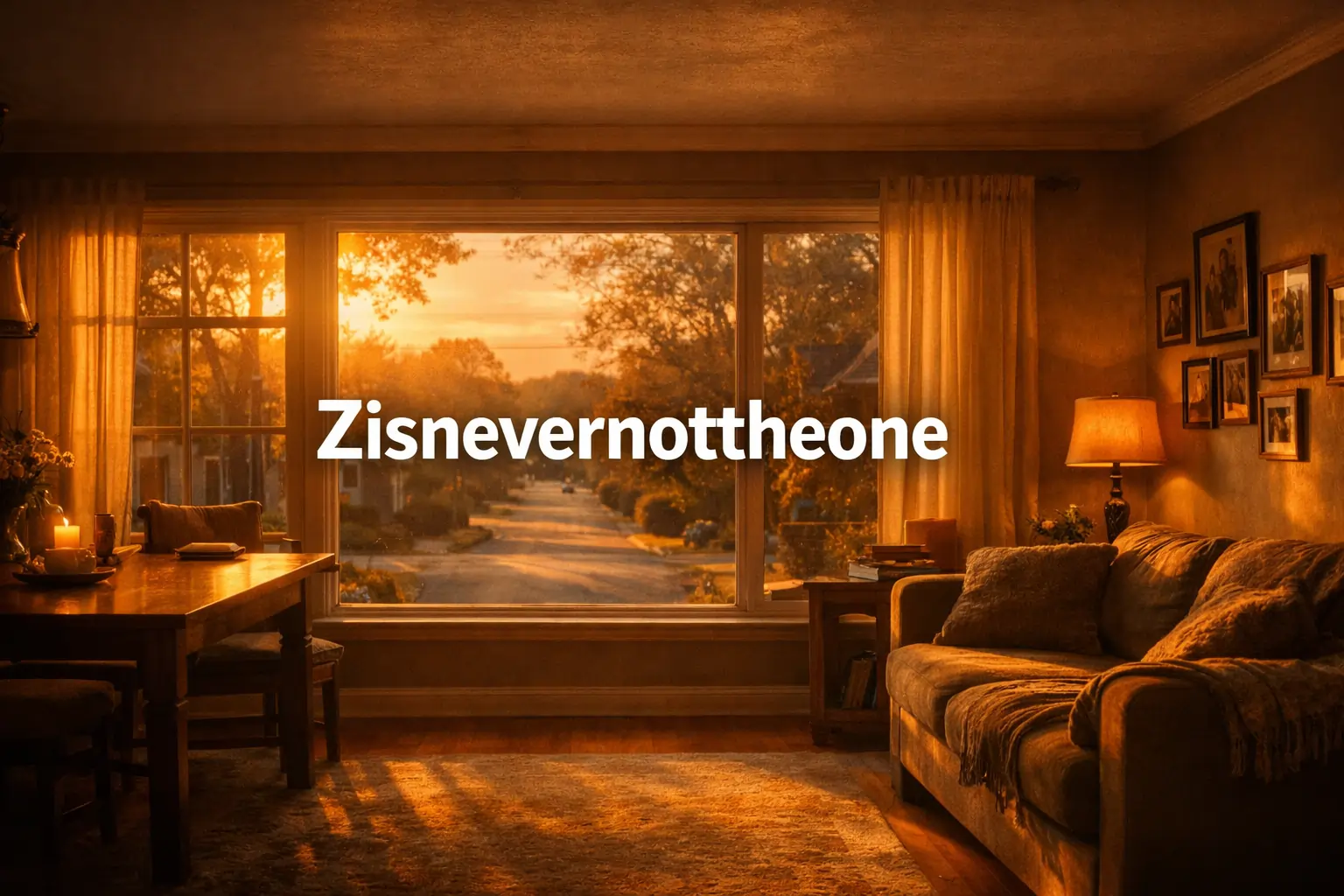
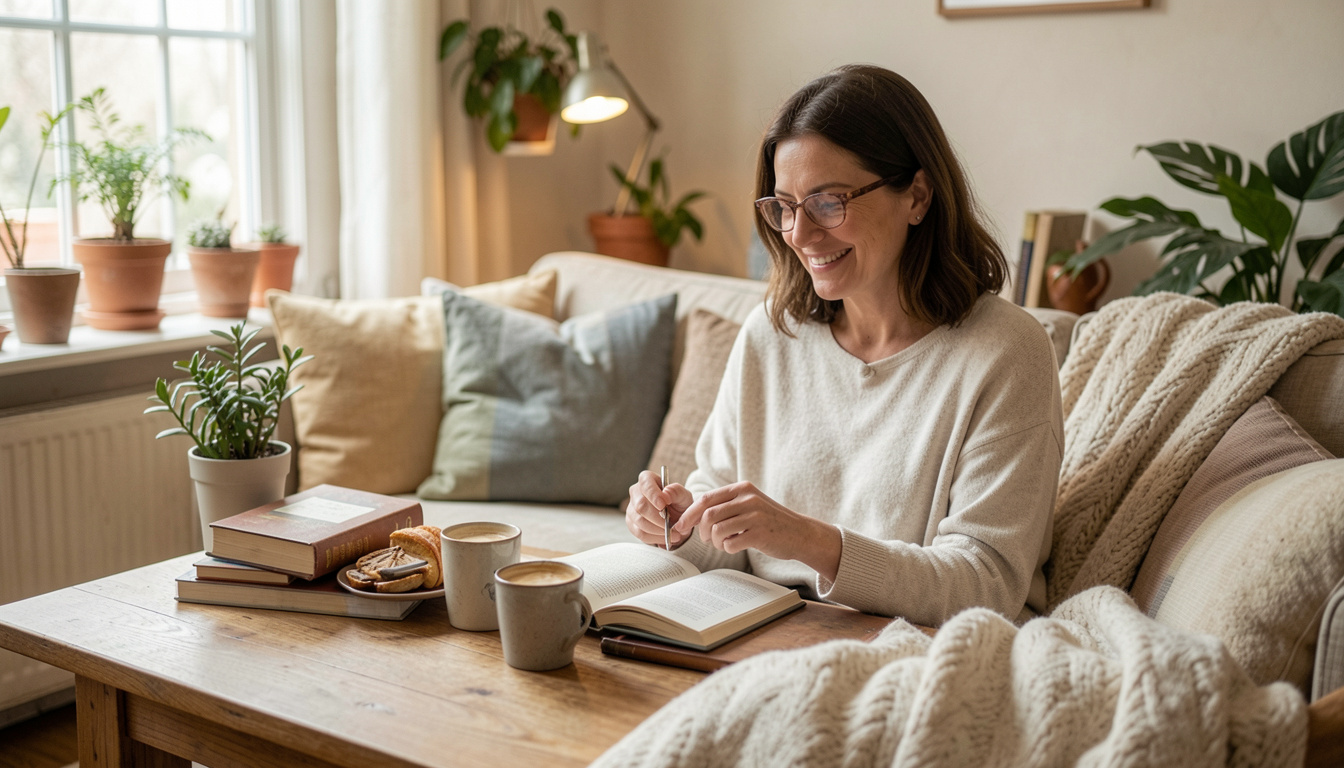
Preparation is helpful, but do not overthink it. Choose a place where your subjects feel happy and relaxed. A messy living room or a sunny backyard is perfect for lifestyle photography because it feels like home. Let people do what they normally do. If they enjoy baking, tell them to make cookies. If they love books, let them read on the porch. The environment should be familiar to them. When the setting is comfortable, your subjects will naturally let their guard down. This comfort allows you to get those authentic expressions that make lifestyle photography so special. Remember, you are a guest in their space, so be gentle and observant.
Natural Light Is Your Best Friend
Professional photographers know that light changes everything. For lifestyle photography, natural light is almost always the best choice. It feels warm, soft, and inviting. Try to shoot near big windows or outside during the “golden hour” right before sunset. Avoid using a bright camera flash, as it can make things look fake or harsh. Instead, position your subject so the light hits their face softly. If you are indoors, turn off the ceiling lights and pull back the curtains. Using natural light makes your images look clean and professional. It also helps you focus on the emotions of the scene without worrying about complex lighting setups.
Connecting With Your Subjects
Building trust is a key part of the lifestyle photography process. If your subjects feel nervous, it will show in their faces. Start by chatting with them before you even pick up your camera. Ask questions about their day or what they like to do for fun. When you show genuine interest, they will feel safe around you. A happy subject makes for a much better photograph. During the shoot, give them simple, fun tasks to do instead of stiff poses. For example, tell a family to play tag or whisper a funny joke. This movement keeps them busy and helps you capture real, natural expressions.
Composition Tips for Better Photos
Good composition guides the viewer’s eye through your image. In lifestyle photography, you do not need to follow strict rules, but some basics help. Try the rule of thirds by placing your subject slightly off-center. This makes the photo feel more balanced and interesting. Also, think about your angle. Do not just stand there; try kneeling down to get on a child’s level. Move around to find the best view of the action. Sometimes, a wider shot that shows the whole room is great for context. Other times, a close-up on hands or eyes tells a deeper story. Experiment with different angles to see what feels right for the moment.
Keeping It Real and Authentic
The biggest mistake is trying to make everything look like a magazine cover. Lifestyle photography is not about perfection. If a shirt is wrinkled or the floor has a few toys, that is okay. Those things make your photos feel lived-in and honest. Embracing the imperfections is what gives lifestyle photography its charm. Do not ask people to look at the lens and smile all the time. Instead, encourage them to interact with each other. A candid photo of two friends laughing at a mistake is much better than a forced smile. Focus on the connection, not the pose, and your photos will shine.
Essential Gear for Beginners
You do not need an expensive camera to start practicing lifestyle photography. Many people start with the phone they already have in their pocket. If you want to use a professional camera, a simple lens with a wide aperture is a great tool. A lens that can blur the background helps the person in your photo stand out. Make sure your batteries are charged and you have extra space on your memory card. Having your gear ready to go is more important than having the most expensive equipment. Learn how your camera works so you can change settings quickly when a moment happens. The best camera is simply the one you have with you.
Editing for a Natural Look
After you take your pictures, you might want to edit them. Keep your edits simple to maintain that authentic lifestyle photography style. You can adjust the brightness or contrast to make the colors pop a little more. Avoid using heavy filters that change the mood too much. You want the photo to look like the real memory you just captured. Many people use free apps on their phones to quickly crop or straighten their images. Editing should be a final touch to improve the quality, not a way to hide the reality of the scene. Less is almost always more when it comes to editing.
Finding Inspiration Everywhere
Look at the work of other photographers to find your own style. Notice how they capture light and how they position their subjects. You can find amazing inspiration on social media or in photography books. However, do not just copy what you see. Use those ideas as a starting point, then make them your own. Think about what makes your life unique and start there. Practice by taking photos of your own daily life, like your morning coffee or your pet playing. The more you practice, the more you will develop a “photographer’s eye.” Inspiration is everywhere if you are willing to look for it.
Sharing Your Stories
Once you have your photos, share them with the world. Lifestyle photography is about connection, and sharing your work is how you connect with others. You could make a simple photo book to keep on your coffee table. You could also post your favorite shots to a personal blog or social media. When people see your photos, they will appreciate the honest stories you have captured. Your images might even inspire others to start their own journey. Never be afraid to show your work, even if it is not perfect. Your voice and your perspective are what matter most in your art.
Biography: The Master of Lifestyle Photography
| Name | Specialty | Years of Experience | Key Focus |
| Jamie Miller | Lifestyle Photography | 15 Years | Candid Emotion |
| Sarah Chen | Family Narratives | 12 Years | Natural Light |
| Leo Martinez | Street Lifestyle | 10 Years | Human Interaction |
Frequently Asked Questions
1. Do I need professional equipment for lifestyle photography?
No, you can start with a smartphone or any basic camera. The most important thing is your ability to see and capture moments.
2. How do I get people to act natural?
Give them activities to do, like playing a game or cooking, so they stop thinking about the camera.
3. What is the best time of day to shoot?
The hour after sunrise or the hour before sunset, often called the “golden hour,” provides the softest, most beautiful light.
4. Should I pose my subjects?
Avoid stiff posing. Instead, use gentle guidance to put them in good light, then let them move naturally.
5. How much editing should I do?
Keep it light. The goal of lifestyle photography is to keep the image looking real and honest.
6. How can I improve my skills quickly?
Practice every single day. Even taking five minutes to photograph your daily routine will help you grow.
Start Your Journey Today
Lifestyle photography is a wonderful way to celebrate the beauty of everyday life. You now have the tips and tools needed to start capturing real, lasting memories. Do not worry about being perfect; just focus on being present and observant. Grab your camera, find a moment, and start telling your story today. I would love to hear how your first lifestyle shoot goes. Why not try taking photos of a friend or family member this weekend and see what magic you can capture?